

The community is being invited to formally have its say on the redesigned Fingerboards Critical Minerals Project, with draft Scoping Requirements for the project’s Environment Effects Statement (EES) now open for public comment.
Gippsland Critical Minerals (GCM) is encouraging people across East Gippsland and throughout Victoria to participate in the process and identify the environmental, social and economic matters they believe should be examined through the EES.
Prepared by the Department of Transport and Planning, the draft Scoping Requirements identify the matters GCM must investigate and assess through the EES.
Open from Thursday, 13 August until midnight Wednesday, 2 September 2026, submissions can be made through the Engage Victoria platform.
Located within the Glenaladale deposit in East Gippsland, the Fingerboards Critical Minerals Project would develop a significant deposit of zircon and rare earth elements used in advanced manufacturing, renewable energy, defence systems and other strategic industries.
The redesigned project is expected to produce approximately 280,000 tonnes of heavy mineral concentrate each year over a proposed 22 year operating period.
It could also produce approximately 7.2 per cent of global dysprosium and terbium supply, two strategically important critical minerals currently sourced predominantly from China.
GCM Chief Executive Officer Michelle Wood said the public comment period was the first formal opportunity for people to help shape the environmental assessment of the redesigned project.
“While assessment and baseline work began more than 12 months ago in several areas, this is the first time the community has been able to formally have its say on what should be examined through the EES for this new project,” Michelle said.
“We want to hear what people believe should be investigated, including the project’s potential impacts, the protections that should be put in place and the benefits it could deliver for East Gippsland and Australia.”
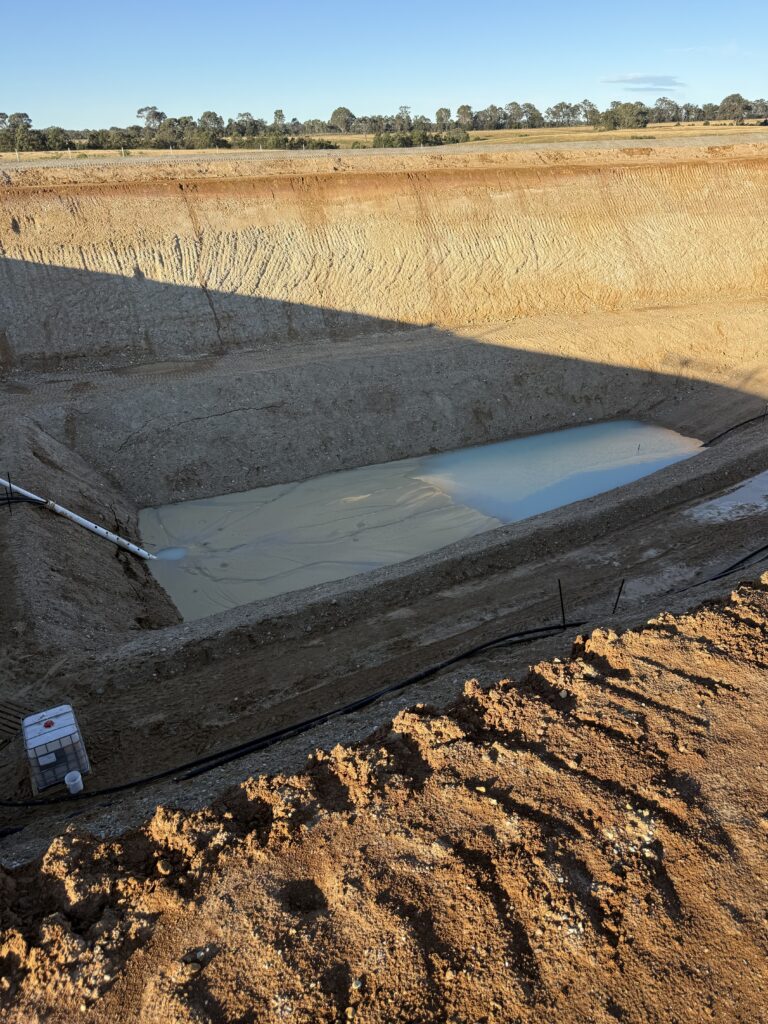
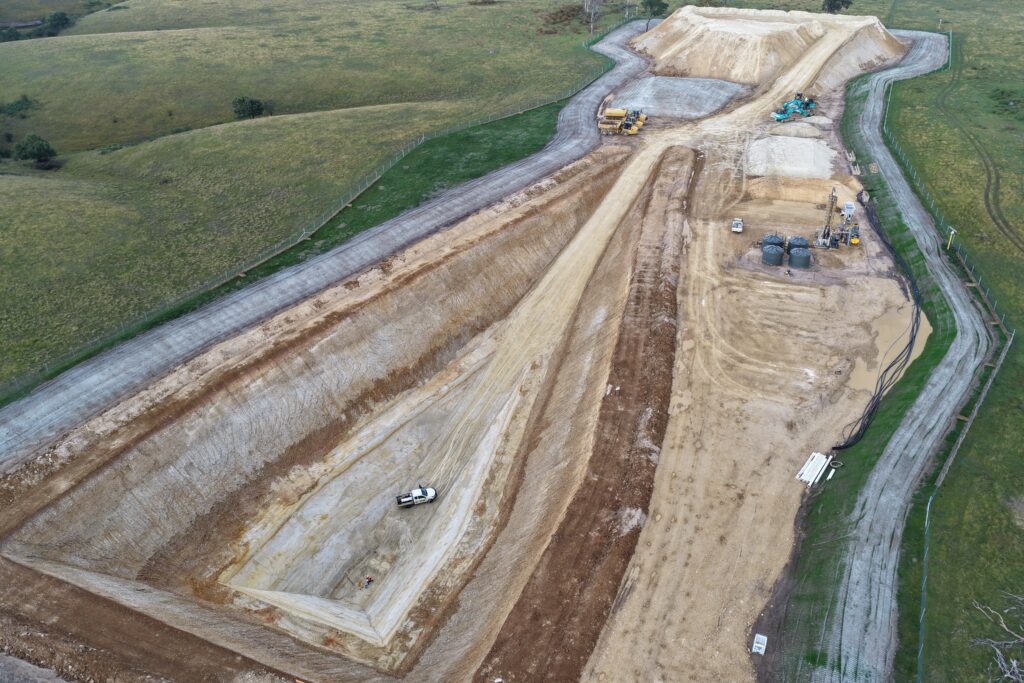
Michelle said the project had been substantially redesigned to respond to concerns raised in 2021 and was informed by community feedback, local knowledge and technical work, including most recently through the demonstration pit and rehabilitation trials currently underway.
“This is a new project. From a minimum 1.5 kilometre mine-free buffer protecting the Lindenow Valley horticultural area and removal of mining from three gullies to a reduced mining rate with progressive and continuous rehabilitation, real protections mean real changes, and that’s exactly what we’re delivering,” Michelle said.
Key changes to the project
- A minimum 1.5 kilometre mine-free buffer between project and the Lindenow Valley horticultural area.
- The removal of mining from Perry, Simpson and Lucas gullies.
- A 40 per cent reduction in the proposed mining rate, from 1,500 tonnes an hour to approximately 900 tonnes an hour.
- Smaller active mining areas, with progressive backfilling and rehabilitation to return land to productive use sooner.
- In pit co-disposal of sand and clay tailings, removing the need for an elevated tailings storage facility.
- An enclosed concentrate storage and handling facility to manage dust and naturally occurring radioactive materials.
- A rail-first transport using a new siding at Fernbank East, reducing heavy vehicle movements on local roads and supporting improved regional freight services.
- A water balance of 3GL per year and a supply strategy designed to reduce reliance on any single source over the long term and support regional water security.
- Stronger air quality management, including mine-free buffer and gullies areas, reduced mining rate, smaller active areas, dozer push methods, greater dust suppression and continuous monitoring with action plan.
Also released today is GCM’s draft Community Consultation Plan (CCP). Informed by extensive engagement and conversations across East Gippsland, the CCP will guide GCM’s approach to community engagement throughout the EES process.
“We recognise that the draft Scoping Requirements and the EES more broadly will cover a range of complex and technical matters,” said GCM East Gippsland Community and Stakeholder Lead Mick Harrington.
“Our goal is to get out and about to explain the new project and make information more accessible. That includes by giving people direct access to the specialists undertaking the work. We want people to be informed, to ask questions and to be able to make a meaningful contribution to the process.”
Details of engagement activities are published on GCM’s website and community information channels regularly.
The draft Scoping Requirements are available through Engage Victoria and the Department of Transport and Planning’s environmental assessment website at engage.vic.gov.au/fingerboards-critical-minerals-project-environment-effects-statement-ees-draft-scoping-requirements.
For information about the EES process, contact the Department of Transport and Planning’s Impact Assessment Unit at environment.assessment@transport.vic.gov.au or on (03) 8572 7980.
For more information about the Fingerboards Critical Minerals Project, visit gippslandcriticalminerals.com, call 1800 791 396 or email contactus@gippslandcriticalminerals.com.